

Fibroids are none cancerous tumors or growths within the uterine muscles. The usual symptoms include heavy periods, severe period pains, lower abdominal pains, irregular menses, infertility, heaviness in the pelvis and urinary symptoms. Symptoms vary according to size and location of the fibroids. Something to note, these symptoms are not exclusive of fibroids. Other disease processes may present similarly. Fibroids vary in sizes from being as small as a seed to being as large as a soccer ball (or even larger). They may also occur in numbers with mutliple fibroids growing instead of just one or two. Their growth is dependent on the esterogen and progesterone hormones which is naturally occurring. 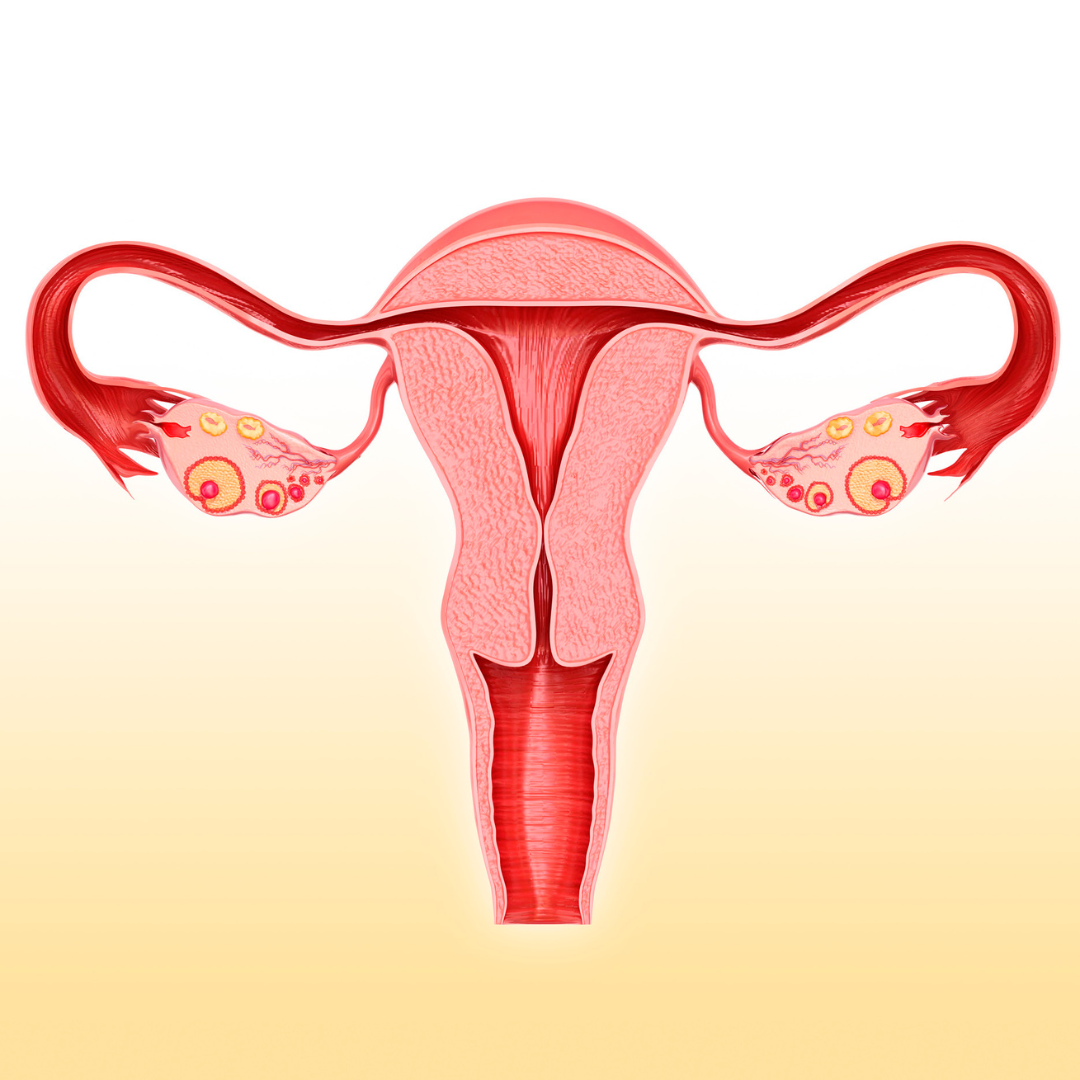
The fibroid uterus
It’s not all women who develop them but certain factors play a role in their development. Women at a higher risk of developing fibroids are those who started their menses at an early age and those who only fall pregnant the first time at a later age. A higher number of pregnancies reduce the risks of developing fibroids. It is known that black women are at a higher risk of developing fibroids than white women. Certain diets (red meat) may increase risks while others (green leafy foods) reduce it. Obesity also increases the risks of developing fibroids. The diagnosis of fibroids is usually made by ultra sound imaging by your doctor. The management varies according to feasibility of certain management options and the woman’s desire for fertility. There are certain medicines and procedures that can reduce the sizes of the fibroids, however definitive management include surgery which may be the removal of the fibroids or complete removal of the uterus. It’s best that one discusses their options with their gynaecologist. 
The fibroid uterus, what it means
The biggest challenge with fibroids is the heavy bleeding which may lead to low haemoglobin (low red cell levels or Hb) and iron stores depletion. This may result in fatigue and dizziness. Fibroids do not necessarily kill, unless one was to bleed out without getting any treatment and transfusion. It’s always best to discuss your specific concerns with your doctor. Again, management of fibroids depends on varying factors and there’s no blanket approach to them. It helps to know and understand the implications so that you get the best treatment available
